


 Sign Up with Google




.jpg)
Smart Home Integration: Connecting EV Chargers with Home Energy Systems
Interior Design & Decor5 minutes read
32 views
32 views
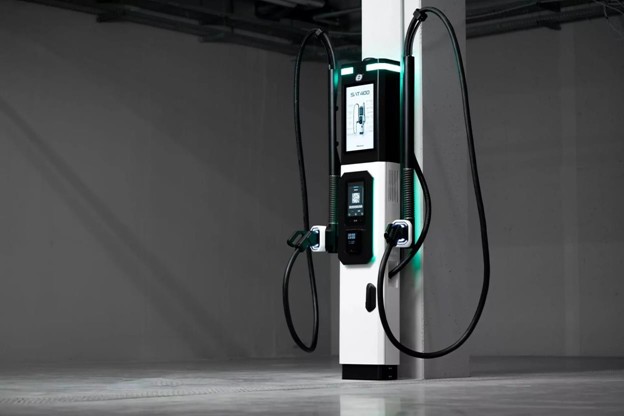
In smart homes, everything talks
to everything else. Lights,
thermostats, locks — they all work together. The goal? Make your life
easier and save energy.
Adding an EV charger
is just another
piece of the puzzle. It needs to connect smoothly with your
existing energy setup, whether that’s solar panels, battery storage, or just
your regular power grid.
Many are surprised when
they first hear about this level of integration. But, imagine
your car charging at low-demand
times or when your solar panels are doing their best work. Savvy integration of e-car or even
e-truck charging stations could
help achieve this.
That’s not only convenient but also cost-effective
and eco-friendly.
How It All
Works Together
At the heart of a well-integrated smart home lies a robust
control system. This system manages the flow of electricity to and
from each part of your home. Smart meters,
sensors, and automated settings
can all play a
part. They ensure your EV is charging
when it's most efficient.
Say you're using
renewable energy sources. In that
case, your EV charger might prioritize using solar power during the day. Or,
suppose your home battery is fully charged and electricity from the grid is
cheap at night. Your system can take advantage of that, too.
The result? Less energy waste,
and a more environmentally friendly
approach to powering
your ride home.
Benefits of Connecting EV Chargers with Home Energy
Systems
Streamlining energy management is one thing.
But there are other perks that should
grab your attention.
Cost-Efficiency and Savings
Electricity rates vary throughout the day. By charging your EV when rates are lower, you save money. Over the life of your EV, this can add up to
considerable savings.
Plus, with solar panels,
you could potentially charge your car for free.
Environment and Convenience: A Green Combo
More efficient energy use means less strain on the energy grid and
fewer carbon emissions. And, let's face it,
convenience is king. Managing everything from a single app on your smartphone
is the dream.
This way, you can start,
stop, or schedule
charging no matter
where you are. You could
be watching a movie or have your toes in the sand somewhere warm.
Technologies Involved
in Smart EV Charging
Tech behind smart home integration involves different parts seamlessly working
together. While the end goal
is simplicity, the moving parts are intricate.
Smart Meters and Sensors:
The Detectives of Energy
Smart meters
keep an eye on electricity use and
relay information back to the systems.
Sensors can enhance wiring,
ensuring power flows where it’s needed most.
Flexibility in these meters means adapting to changes in
energy prices, like a financial guru for your home.
Battery Storage Systems:
The Home Batteries
Home battery systems
act as both a backup
power source and a provider
of extra power when
needed. A home battery means your solar panels' extra juice isn’t wasted. This
stored power could charge your EV or even power your home during a blackout.
Conclusion
Smart home technology and EV chargers are shaping the future of
energy management. This integration promises to enhance convenience, reduce costs, and help our planet in the process.
So, as you consider
upgrading your home, remember that linking these technologies isn't just
an option. It's the way forward for a smarter, greener world.
Request for quotes and we'll match you with a selection of Interior Designers!
Previous
Showcase Your Talent: APSDA Awards 2025 Entries Now Open